
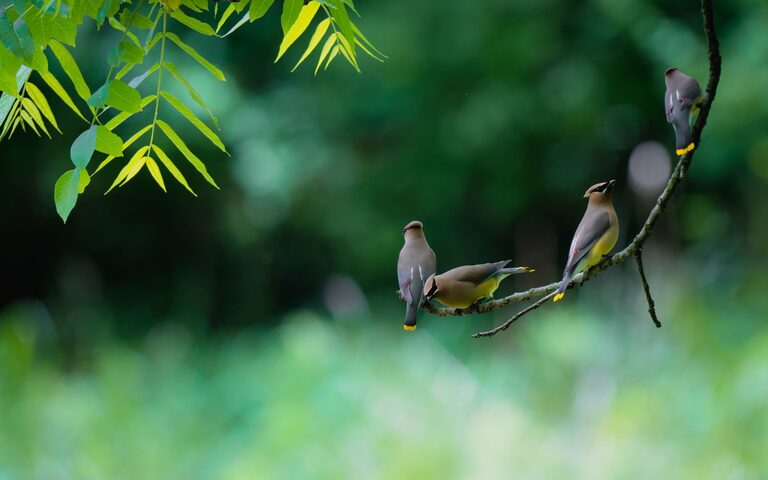
Birdwatching is a peaceful and rewarding hobby that connects you with nature right outside your door. Whether you live in the city, suburbs, or countryside, your backyard can become a vibrant birdwatching spot. For beginners, diving into this activity may seem overwhelming, but with a few simple tips, you can start enjoying and identifying birds in no time.
Why Backyard Birdwatching?
Birdwatching in your backyard offers many benefits. It’s a way to relax, learn about wildlife, and contribute to local conservation by providing safe habitats for birds. Plus, you don’t need to travel far or invest heavily in gear to begin. Your own outdoor space is a perfect classroom and haven for birds.
Getting Started: Essential Tips for Beginners
1. Set Up the Right Environment
Birds come to places where they find food, water, and shelter. Creating a welcoming space is the first step.
– Provide Food: Use bird feeders filled with seeds suited to local bird species. Popular options include black oil sunflower seeds, nyjer, and suet.
– Offer Water: Keep a birdbath filled with clean water for drinking and bathing. Consider a shallow basin with a fountain or dripper to attract more birds.
– Plant Native Plants: Shrubs, trees, and flowers native to your region provide natural food and shelter.
– Create Shelter: Leave dead leaves, logs, or brush piles in a corner for birds and insects, which are part of the food chain.
2. Choose the Right Bird Feeders
Different birds prefer different feeders:
– Tube Feeders: Great for small songbirds like finches and chickadees.
– Platform Feeders: Open tray style, attracts larger birds such as cardinals and jays.
– Suet Feeders: Attract woodpeckers and insect-eaters.
Place feeders near natural cover so birds feel safe but still visible for observation. Keep feeders clean to prevent disease.
3. Equip Yourself with Basic Tools
– Binoculars: A lightweight pair with 8x to 10x magnification will greatly enhance your viewing experience.
– Field Guide: A bird identification book or app tailored to your area helps identify species by color, size, and behavior.
– Notebook or Bird Journal: Recording sightings and details about bird activity deepens your engagement and learning.
4. Observe Quietly and Patiently
Birds are sensitive to noise and movement. Find a comfortable spot near your bird feeding area and stay still and quiet. Early morning and late afternoon are often the best times to see birds active.
5. Learn Bird Identification Basics
Start by looking for clear features like size, color patterns, beak shape, and behavior.
– Color and Markings: Observe wing bars, eye rings, or unique tail feathers.
– Size and Shape: Compare birds to common species you already know.
– Sounds: Listen to calls and songs; many guides include audio examples.
– Behavior: Note if the bird feeds on the ground, perches on feeders, or hops on branches.
6. Be Patient and Consistent
Birdwatching skills improve over time. Visiting your backyard regularly will help you notice seasonal changes and new species. Keep a list of birds you see to track progress and increase excitement.
Safety and Respect for Birds
– Avoid sudden movements or loud noises.
– Keep cats and other pets away during birdwatching sessions.
– Do not handle or disturb nests.
– Use feeders responsibly and keep them clean to avoid spreading diseases.
Additional Ways to Enhance Your Birdwatching Experience
Join a Local Birdwatching Group
Many communities have bird clubs or nature organizations that offer group walks, workshops, and resources.
Participate in Citizen Science Projects
Contribute your bird observations to projects like eBird or the Christmas Bird Count. These resources help scientists monitor bird populations and migrations.
Experiment with Bird Photography
Capture photos of backyard visitors to share and document your experiences. A basic camera, smartphone, or even camera-equipped binoculars can work.
Conclusion
Backyard birdwatching is an enjoyable and accessible hobby for beginners. By creating a welcoming environment, equipping yourself with simple tools, and practicing patience and observation, you’ll soon be able to recognize and appreciate the beauty of your feathered neighbors. Most importantly, this hobby encourages a peaceful connection to nature that benefits both you and the birds.
Get started today—watch your backyard come alive with birdsong and colorful wings!