
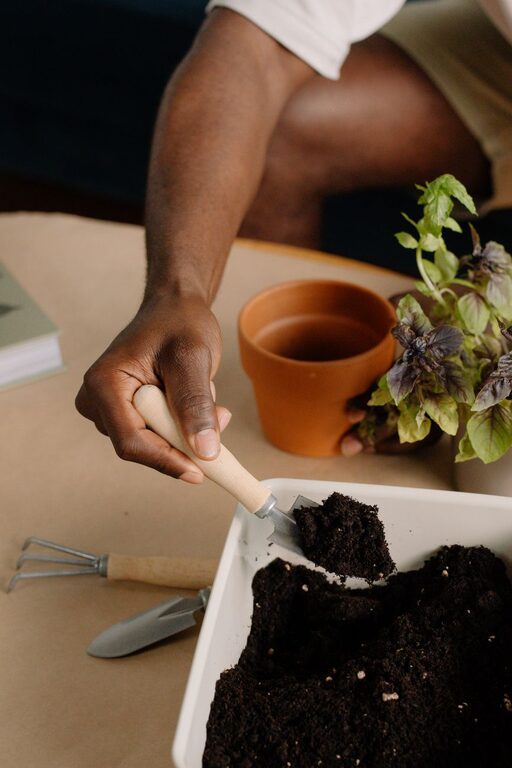
Growing a small herb garden indoors is a rewarding and practical way to enjoy fresh flavors right in your kitchen or living space. Whether you have a sunny windowsill or a small corner, starting an indoor herb garden is easier than you might think. This guide walks you through the basics, offering tips for beginners to help you successfully cultivate your own green oasis.
Why Grow Herbs Indoors?
Growing herbs indoors comes with many benefits:
– Freshness: Pick herbs right when you need them for cooking.
– Convenience: No need to make extra trips to the store.
– Aesthetics: A small herb garden brightens your home.
– Air Quality: Plants help improve indoor air.
– Hobby and Relaxation: Gardening indoors can be a calming activity.
Choosing the Right Herbs
When starting small, it’s best to pick herbs that thrive indoors and are commonly used in cooking:
– Basil: Great for Italian dishes and enjoys warm, sunny spots.
– Parsley: Versatile and easy to grow.
– Mint: Hardy and refreshing, but keep in a separate pot as it spreads quickly.
– Chives: Easy to care for and perfect for garnishing.
– Thyme: Needs good light and has a lovely aroma.
– Cilantro: Popular in many cuisines, but prefers cooler temperatures.
– Oregano: Great for Mediterranean cooking.
Select 3-5 herbs to start with, depending on your space and how much care you can provide.
Selecting Containers and Soil
Containers
You don’t need fancy pots to start your herb garden. Here are some container options:
– Small pots with drainage holes: Essential to avoid waterlogging.
– Recycled containers: Like yogurt cups or tin cans (make sure to add drainage holes).
– Herb garden kits: These often come with everything you need.
Soil
Herbs prefer well-draining soil. Look for a high-quality potting mix designed for indoor plants or herbs. Avoid garden soil, which can be too heavy and may contain pests.
Finding the Right Spot
Lighting is one of the most important factors in herb gardening.
– Sunlight: Most herbs need 6-8 hours of bright, indirect sunlight. A south-facing window is ideal.
– Artificial light: If natural sunlight is limited, consider using a grow light for 10-12 hours a day.
– Temperature: Keep herbs in a room between 65-75°F (18-24°C) for best growth.
– Airflow: Good ventilation helps prevent mold and pests.
Planting Your Herbs
There are two main ways to start your herb garden:
– Seeds: More cost-effective but take longer to grow.
– Seedlings or starter plants: Faster results, especially if you want to start cooking soon.
If you choose seeds:
- Fill your containers with potting soil, leaving about half an inch at the top.
- Sprinkle seeds according to package instructions.
- Lightly cover with soil.
- Mist with water to keep soil moist but not soaked.
- Place containers in a warm, sunny spot.
If starting with seedlings, gently transplant each plant into its new pot, being careful not to damage roots.
Caring for Your Indoor Herb Garden
Watering
– Herbs generally like moist but not soggy soil.
– Water when the top inch of soil feels dry.
– Avoid overwatering; ensure pots have drainage holes.
Feeding
– Use a balanced liquid fertilizer every 4-6 weeks.
– Follow package instructions carefully to avoid overfeeding.
Pruning and Harvesting
– Regularly pinch or trim herbs to encourage bushy growth.
– Harvest leaves often, but never remove more than one-third of the plant at once.
– Remove any yellow or dead leaves.
Pest Control
– Keep an eye out for common pests like aphids or spider mites.
– Wipe leaves with a damp cloth or use mild insecticidal soap if needed.
– Ensure good air circulation to reduce pest problems.
Troubleshooting Common Issues
– Leggy or weak plants: Usually caused by insufficient light.
– Yellow leaves: May indicate overwatering or poor drainage.
– Slow growth: Check temperature, light, and soil quality.
Additional Tips for Success
– Rotate your pots occasionally to ensure even light exposure.
– Use saucers under pots to catch excess water.
– Group your herbs together for a mini indoor herb patch.
– Experiment with companion planting to maximize space and growth.
Conclusion
Starting a small indoor herb garden is a practical and enjoyable project. With minimal space, some good light, and proper care, you can have fresh herbs year-round. Whether for cooking or just to brighten your home, an indoor herb garden brings a bit of nature inside—and that’s always a good thing!
Happy gardening!